
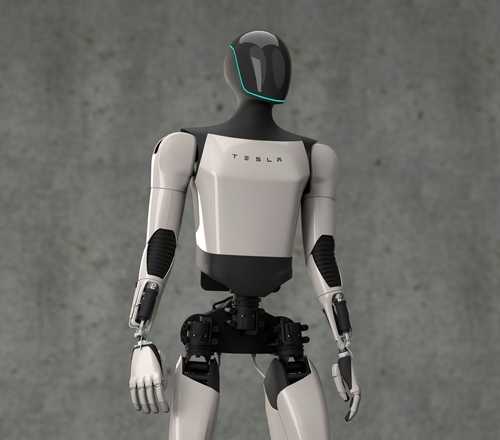
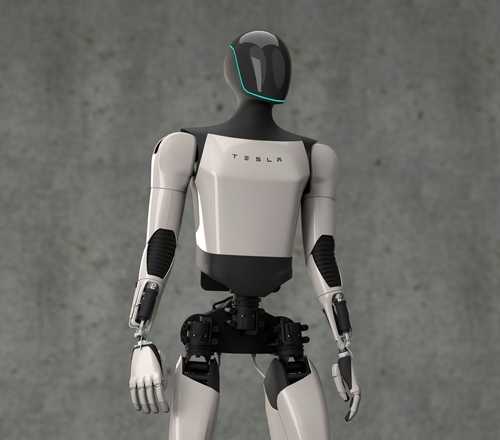
Indian factory workers have been fitted with head-mounted cameras and filmed without their knowledge or consent – and the footage is being sold to global tech companies to train robots that could replace them.
Story Overview
- Workers at a garment factory in Gurugram, India, were forced to wear head-mounted cameras during their shifts without asking for written or verbal consent.
- A startup called Egolab.AI, founded by two teenagers, collected the images and claims Tesla, Boston Dynamics and Figure AI among its clients.
- Workers earn about $2.60 per hour of filming, while tech companies sell that same data for much more to Fortune 500 companies.
- This practice raises serious questions about workers’ rights, informed consent and India’s own data protection law.
Workers filmed without consent to train AI robots
In early April 2026, two executives showed up at Pearl Global Industries’ Gurugram factory and handed out front-facing cameras to workers in the field. Workers were told the devices would record their activities during shifts. What they weren’t told was that the images would be sold to global tech companies to teach the robots how to do their jobs. Workers interviewed by Indian media outlet Scroll.in confirmed that no one had asked for their written or verbal consent.
The cameras belonged to Egolab.AI, a startup launched in January 2026 by two teenagers from Maharashtra: Raghav Samani, 19, and Varun Pareek, 18. The company describes itself as collecting “high-quality, self-centered, labor-sourced video footage” from factory workers. Its own promotional materials claim that customers include Tesla, Boston Dynamics and Figure AI, although these are vendor-stated claims that have not been independently confirmed.
A worrying economic model based on cheap labor
The economics here tell a grim story. Workers receive about 250 rupees, or about $2.60, for each hour of footage they produce. Meanwhile, AI data companies are selling the same images to Fortune 500 clients for a much higher price. A data company, Objectways, operates collection sites in Tamil Nadu and works with Amazon SageMaker, according to AFP and Dawn reports. The value gap between what workers earn and what companies charge creates a powerful incentive to chip away at worker consent and protections.
This is not an isolated incident. India Today, Al Jazeera and CNN have all covered similar scenes across India. A garment factory in southern India asked seamstresses to wear camera rings to record the hand movements of AI motion models. An Indian housewife filmed herself cutting mangoes to help train domestic robots – also for $2.60 an hour. The images teach AI systems how to grasp, fold, sort and use tools, skills that robots will need to replace human workers in factories and homes.
Big Tech’s Consent Problem and What It Means for Workers
Companies defend the practice by saying first-person images are essential for teaching robots to work in real-world environments. Some say they got permission from factory management rather than from workers directly. But none of the seven tech companies interviewed by The Guardian said they had sought consent from their individual workers. No written contracts, no signed forms, no documented evidence that a worker was informed of their movements were being turned into a commercial AI dataset.
Weird…the common mind would agree with that…and not see a worker in a textile factory in Bangladesh/India with these cameras on his head.
For what ? https://t.co/oKStywaWEn
— Nicky Kamau 🇰🇪 🇺🇸 (@Nickykkamau) July 1, 2026
This matters beyond India. US tech giants are quietly building their robotics and automation pipelines on data extracted from some of the world’s most vulnerable workers – people who have no unions, no contracts, no legal recourse. The workers themselves say it clearly: “We are literally training the robots that will replace us. » India’s Digital Personal Data Protection Act, 2023 exists on paper, but no enforcement action has been taken. For conservatives who believe in honest dealings, property rights, and protecting workers from exploitation by powerful institutions, this story is a warning about what happens when big tech operates without accountability anywhere in the world.
Sources:
feedpress.me, letdatascience.com, facebook.com, youtube.com, linkedin.com, reddit.com, instagram.com, pivotnews.ai, indiatoday.in, aljazeera.com
Source link