Iranian state media claimed its military struck a US warship in the Strait of Hormuz, forcing it to retreat – but US Central Command categorically denied the incident occurred, revealing a familiar pattern of unverified propaganda from Tehran.
Story Overview
- Iranian media said missiles hit a US warship near the Jask naval base, forcing it to turn around from the Strait of Hormuz.
- CENTCOM immediately denied any strike, confirming that US destroyers had successfully escorted merchant ships through the strait.
- This is another in a series of Iranian allegations against U.S. naval assets that lack verification or independent evidence.
- The incident highlights ongoing tensions in a chokepoint controlling 20% of global oil shipments.
Iran’s propaganda machine in full swing
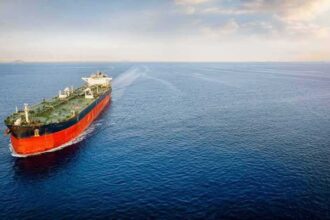
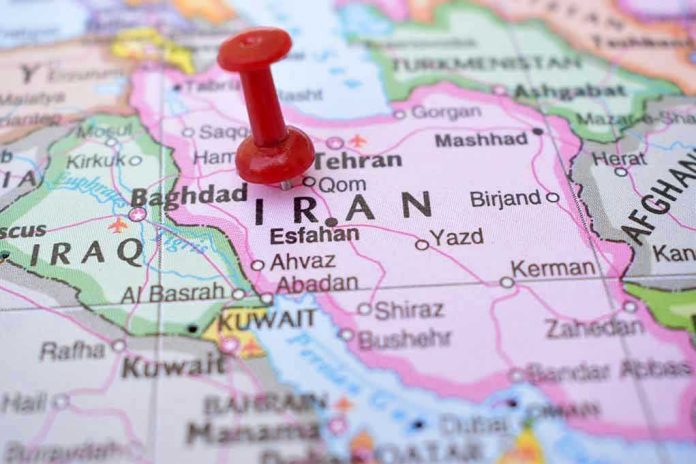
Iranian state television and the Fars news agency reported Monday that the Iranian navy fired two missiles at a US warship operating near the port of Jask, at the southern entrance to the Strait of Hormuz. According to these state-aligned media outlets, the warship ignored warnings and was hit, forcing it to retreat. A senior Iranian official told Reuters that warning shots had been fired. Yet CENTCOM quickly refuted these claims on social media, clearly stating that no U.S. ships had been hit and that U.S. destroyers had successfully escorted two U.S.-flagged merchant ships through the strait as part of ongoing operations to ensure freedom of navigation.
This rapid denial reveals a troubling pattern: Tehran repeatedly broadcasts unverified claims of military victories against U.S. forces, only for U.S. officials to debunk them with operational facts. Reuters acknowledged that it could not independently verify the Iranian claims. No visual evidence of damage was seen, and U.S. naval operations continued uninterrupted, calling into question the narrative that any warship was forced to retreat. This raises the question of whether U.S. taxpayers fund a Navy strong enough to deter real threats or whether they simply serve as fodder for foreign propaganda factories seeking domestic political victories.
A story of empty demands and real risks
This incident is far from isolated. In early March, Iranian sources claimed strikes against the USS Abraham Lincoln aircraft carrier group, which CENTCOM rejected, emphasizing that the missiles “didn’t even come close.” The Strait of Hormuz has been a hot spot since at least 2019, when tanker attacks and the 2020 assassination of Iranian general Qasem Soleimani paved the way for Iran’s “maximum resistance” strategy under US sanctions. Most recently, a United Arab Emirates oil tanker was hit by drones in the strait, but no injuries were reported. These episodes occur against the backdrop of Project Freedom, a US initiative to protect commercial shipping and impose a naval blockade of Iranian ports.
Military analyst Sean Bell highlighted the importance of the Jask site, pointing out that it lies outside Iran’s declared zone of control, which should limit Tehran’s operational claims. Bell questioned the type of missile allegedly fired and observed that Iranian language softened after CENTCOM’s denial. The fact that U.S. guided-missile destroyers remained positioned to counter threats and completed their escort mission suggests that U.S. naval superiority remains intact. Yet Tehran’s persistent rhetoric serves a dual purpose: rallying domestic support within Iran while testing the resolve of U.S. commanders and the patience of U.S. allies who depend on secure energy transit routes.
What this means for Americans and global stability
For conservatives frustrated by globalist entanglements and endless foreign engagements, this saga underscores a crucial reality: The Strait of Hormuz remains a vital artery for global oil markets, and the instability there has a direct impact on energy prices in the country. Twenty percent of the world’s oil passes through this bottleneck, meaning the disruptions translate into higher costs at the pump for American families already strained by inflation. The presence of the U.S. Navy protects not only abstract shipping lanes, but also the economic interests of ordinary citizens who feel the consequences of rising fuel prices due to geopolitical tensions. At the same time, the lack of independent verification of Iranian claims raises doubts about the credibility of foreign adversaries who exploit propaganda to project strength they may not possess.
For those skeptical of government transparency, the incident also highlights a broader concern: Are officials being upfront about the risks our sailors face, or is the public receiving sanitized narratives to avoid political fallout? CENTCOM’s strong denials suggest confidence in U.S. capabilities, but the recurring nature of Iranian assertions and the strategic importance of the region require vigilance. Both the left and the right agree that Americans deserve leaders who prioritize national security over political theater, and incidents like this test whether the current administration can maintain deterrence without dragging the country into another protracted conflict. The stakes are high, adversaries are emboldened, and the American people are watching to see if their government can protect their vital interests without sacrificing transparency or fiscal responsibility.
Sources:
US denies Iranian claim it struck US warship trying to enter Strait of Hormuz – The Jerusalem Post
Source link