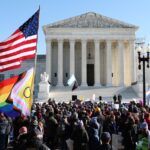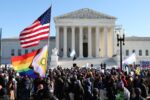
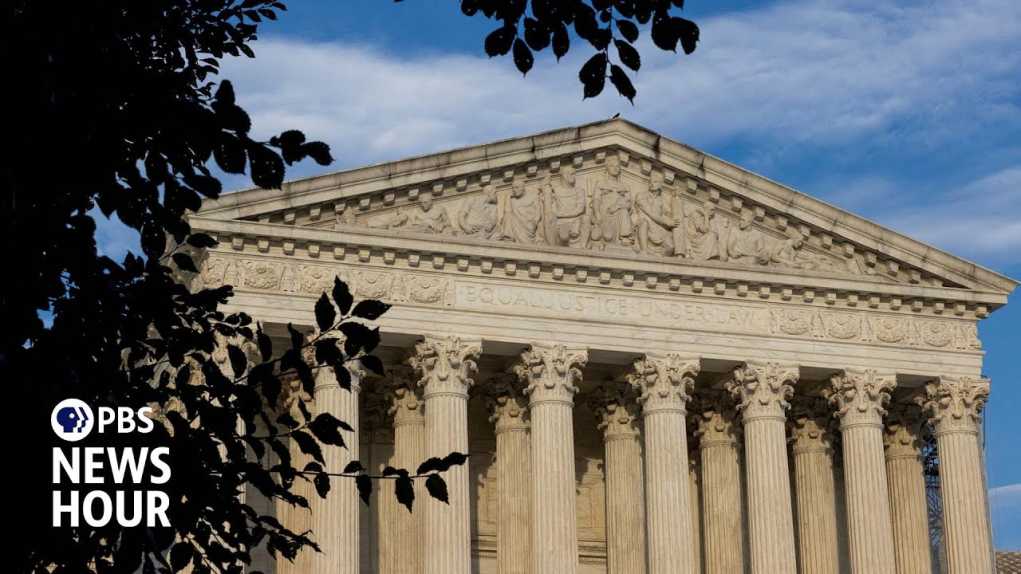
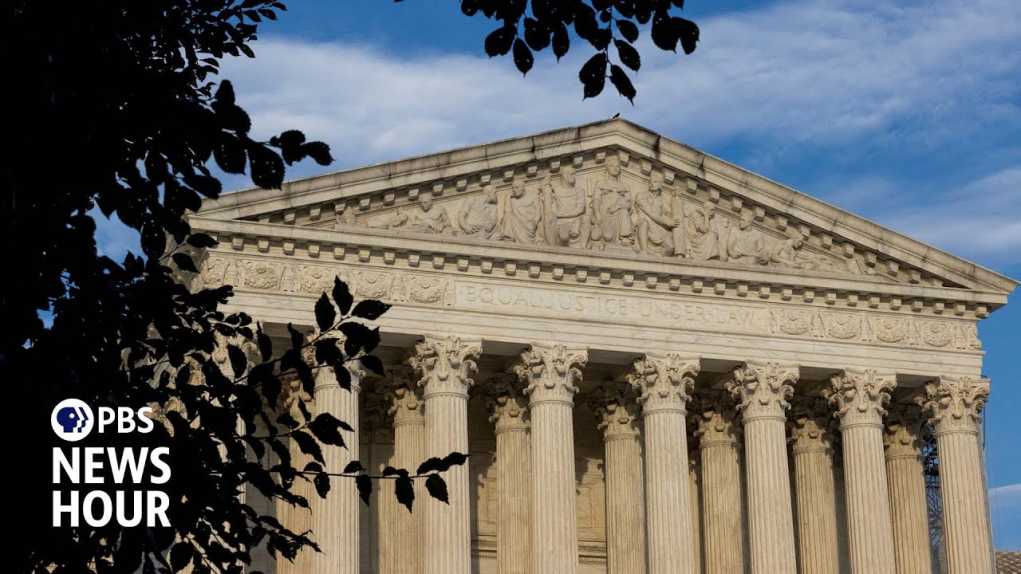
The Supreme Court’s skepticism of Colorado’s ban on conversion therapy signals a seismic shift in how U.S. courts balance religious freedom and protecting the public health of vulnerable young people.
Quick take
- Conservative justices questioned whether Colorado’s 2019 ban on conversion therapy for minors violated First Amendment free speech rights by targeting therapeutic viewpoints rather than harmful behavior.
- Counselor Kaley Chiles says her faith-based talk therapy differs from traditional conversion therapy practices like aversion techniques, making the blanket ban unconstitutionally too broad.
- Colorado defends the law by citing more than 12 studies linking conversion therapy to depression, suicide and distress among LGBTQ+ youth, including research on 27,000 transgender adults.
- A ruling against Colorado could invalidate similar bans in more than 20 states, fundamentally reshaping how licensed therapists can counsel minors about sexual orientation and gender identity.
When speech and security collide
On October 7, 2025, the Supreme Court heard oral arguments in Chiles v. Salazar, a case which pits freedom of expression against the protection of youth. Licensed counselor Kaley Chiles, represented by the Alliance Defending Freedom, is challenging Colorado’s 2019 law prohibiting mental health professionals from providing conversion therapy to minors. The distinction is important: Chiles offers voluntary talk therapy that helps clients align sexual attraction or gender identity with religious beliefs, not shock treatments or aversion conditioning. Yet Colorado law treats all of these treatment approaches the same, applying the same restrictions regardless of method or intensity.
The constitutional question
During oral arguments, a majority of conservative justices were skeptical of Colorado’s approach. They questioned whether the law regulated conduct — which states can broadly restrict — or whether it targeted speech and viewpoints, which triggers strict scrutiny of the First Amendment. James Campbell, Chiles’ attorney, argued that the ban turned counselors into “government mouthpieces,” silencing biblical perspectives on sexuality and identity. Colorado countered that it regulates professional conduct, not speech, in the same way that states license doctors or require informed consent procedures.
Justice Sonia Sotomayor raised a practical objection: Chiles faces no real threat of enforcement after six years, questioning whether she has the legal standing to challenge the law. Still, Colorado’s investigation into anonymous complaints against Chiles suggests possible future enforcement, keeping the constitutional question alive and urgent.
Colorado’s Evidence-Based Defense
Colorado’s defense relies on damage research. The state cites more than 12 studies showing that conversion therapy correlates with an increased risk of depression, anxiety and suicide among LGBTQ+ youth. One particularly influential study followed 27,000 transgender adults, finding that those exposed to conversion therapy experienced significantly higher psychological distress and suicidal ideation. Colorado lawmakers framed the 2019 ban as protecting young people’s mental health, not ideological censorship. The law exempts ministers of religion but applies to licensed mental health professionals, creating a legal tension at the heart of the case.
The national implications are important
This case transcends Colorado. More than 20 states have passed similar minor bans on conversion therapy. A Supreme Court ruling striking down Colorado’s law or applying strict scrutiny could weaken protections across the country, emboldening challenges in jurisdictions with stricter bans. Conversely, respect for the law would affirm the authority of states to regulate therapeutic practices targeting minors, even when demands for religious freedom arise. The decision, expected by summer 2026, will reshape how U.S. courts weigh parental rights, professional regulation, youth safety and religious freedom in therapeutic contexts.
This case reflects deeper cultural divisions. Conservative advocates say the ban censors professionals who explore their clients’ values and beliefs. Progressive advocates say the law protects vulnerable minors from psychological harm. Neither side disputes what is at stake: the power of therapy to shape identity, beliefs and well-being. What remains controversial is whether courts should defer to state legislatures’ judgments on youth protection or review laws that restrict therapeutic speech, even with good intentions.
Sources:
Court majority appears skeptical of Colorado’s ban on conversion therapy
Conversion therapy case before the Supreme Court
Source link