
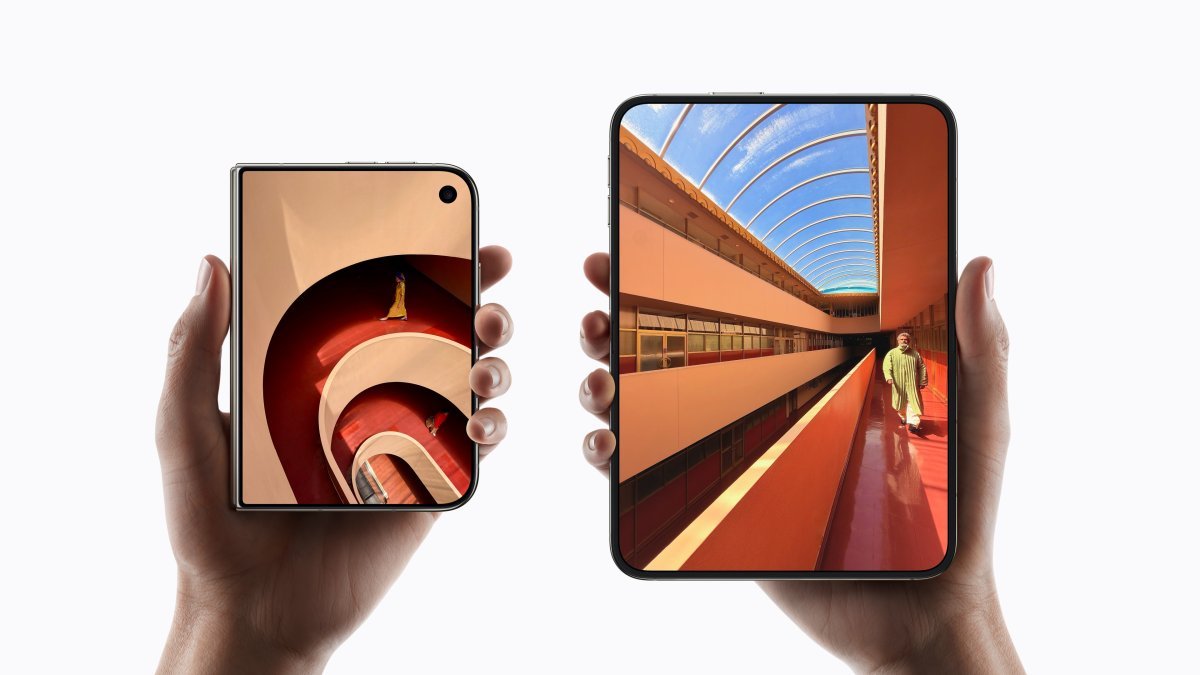
Apple’s new foldable phone, the iPhone Duo, proved popular enough that the company couldn’t keep the device in stock. While Duo offers a new way to use iPhone, getting the most out of this initial release may require adjusting some settings to make it work better when it comes to everyday tasks, like unlocking the device with Touch ID, navigating the interface, and taking photos.
After spending some time with Duo, we recommend making the following tweaks to make using your new iPhone a little easier, especially when it comes to using Touch ID.
Settings to make living with Touch ID easier
Unlike recent iPhones, the Duo doesn’t support Face ID. This means you have to adapt to pressing your finger on the side of the device again to authenticate with apps, unlock the device, and use Apple Pay. But there are some things you can do to make going back to old technology less painful.
- Additional fingerprint registration: This may seem like an obvious suggestion, but if you’re used to registering just a fingerprint or two with Touch ID, get ready to rethink that strategy with Duo. Since the device can be held in multiple directions, flipped horizontally and vertically, and due to the smaller size of the Duo’s screen, you may find that a lot of your fingers (and thumbs!) now have access to the Touch ID button. We recommend holding the device in your hand and moving it in different ways, then registering fingerprints where you end up holding the device the most – with both hands. Yes, setting up Touch ID can be a bit tedious compared to Face ID, as there are multiple printouts to register. However, it’s a one-time setup, and then you’ll be glad you took the time to activate more of your fingerprints. To register your fingerprint go to Settings > Touch ID & Passcode > Add fingerprint.
- Unlock with Apple Watch: If you’re in the market for an iPhone Duo, it’s very likely that you own other Apple devices, like the Apple Watch. If so, you’re in luck because you can use your watch to unlock the Duo without having to use Touch ID. This will save you time and frustration in the long run, so get into the habit of wearing your Apple Watch more often, especially when you’re out and about and don’t want to mess around with your fingers. To use Apple Watch Unlock, your watch must be passcode protected and worn near your phone. To activate this feature go to Settings> Touch ID & Passcode > Unlock with Apple Watch.
- Rest finger to unlock: This is an optional setting, not necessarily a “must have” like above, but we found it useful. The Residual Finger Mode setting is actually an accessibility feature, but it can double as a usability feature as well. When enabled, simply place your finger gently on the Touch ID sensor to unlock the device, instead of having to press down. Those who prefer this setting find that it can make unlocking the phone faster and more convenient, but others may disagree, as they like the tactile feel when the button is pressed. Try it both ways and see which one suits you best. To enable this one, go to Settings> Touch ID & Passcode > Hold your finger to unlock.
Usability improvements
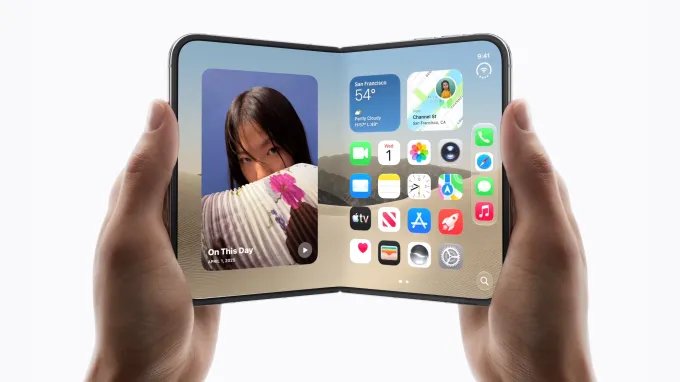
There are some settings that can also improve your experience with the iPhone Duo, as they may make it easier to perform some everyday tasks, such as taking screenshots or accessing different parts of the screen, among other things.
- Turn off fixed volume controls: This is a favorite hack for new Duo owners, because it makes using the device in any orientation much easier. By default, the iPhone Duo’s volume buttons are “fixed,” meaning that no matter how you rotate the device, the volume up button remains the volume up button and the volume down button remains. But many people find it easier if the buttons function and rotate with the device. That is, the buttons reorient themselves based on how you hold the phone, making the Up option always at the top or right. When you fold, unfold, and flip the phone, having buttons that flip with you actually makes more sense. To turn off fixed volume controls, go to Settings > Sounds & Haptics > Fixed position volume control.
- Click again for screenshots: Duo tries to make it easier to take a screenshot by pressing the side button and also Volume up or volume down button at the same time. However, you may still find the process a binary affair (unless you ask Siri to do it for you). That’s why many Duo owners turn to the buried accessibility feature to make taking screenshots a little less complicated. In your phone’s accessibility settings, you can configure whether a double-tap or triple-tap on the back of the device triggers a specific action — which you can set to “Take a screenshot.” (Some people prefer to triple tap so they don’t accidentally trigger the feature.) Once enabled, you can hold the Duo with one hand, then use your finger to tap the back of the phone to take a screenshot, saving you a bit of the hassle that comes with managing button combinations. To configure this, go to Settings > Accessibility > Touch > Back tap > then choose double or triple tap and the action you want. (The screenshot is under the “Device” menu.)
- accessibility: This is another accessibility feature that some Duo owners want to configure, while others prefer to turn off. This option was originally designed to make it easier to use devices with larger screens with one hand, which can sometimes make reaching difficult, depending on the size of your hand. Normally, when Accessibility is turned on, the iPhone lowers the top half of the screen to make it easier to reach with your thumb. But the duo does things a little differently. Because the phone is wide — it’s passport-shaped — it’s harder to reach the far side of the screen than the top. So, when accessibility is turned on, you’ll instead be able to swipe the left or right edge of the screen to make one side accessible. We should note that this feature is enabled by default, but if you find yourself accidentally turning it on and want to turn it off, you can do so under Settings > Accessibility > Touch > Accessibility.
- Folding lock: This is more of a personal preference, we’ll admit. But if you tend to open the device while you’re working with it, and then close it when you’re done, you might want to configure a setting that automatically locks the screen for you when you fold the device and close it. However, doing so requires you to create a new shortcut, as there’s no setting for that — at least, not yet.
- To create the shortcut, you’ll open the file Abbreviations Application, click plus Then sign (+). Edit The button is at the top right. Then click on the search bar, then click on the word “Automation” which appears in blue below the search bar that appears at the top of the screen, after that you will scroll down until you find the option “Open or closed” Under the Display section. Click on that. Click on the word “Open” to change it to “closed“, then press the search bar at the bottom again and type “Screen lockClick on the option
“Screen lockWhen it appears in the search results, you’re done – the shortcut has been created. You can click the play button here to test it, if you’d like. If you change your mind, just delete the shortcut!
- To create the shortcut, you’ll open the file Abbreviations Application, click plus Then sign (+). Edit The button is at the top right. Then click on the search bar, then click on the word “Automation” which appears in blue below the search bar that appears at the top of the screen, after that you will scroll down until you find the option “Open or closed” Under the Display section. Click on that. Click on the word “Open” to change it to “closed“, then press the search bar at the bottom again and type “Screen lockClick on the option
Special camera tricks
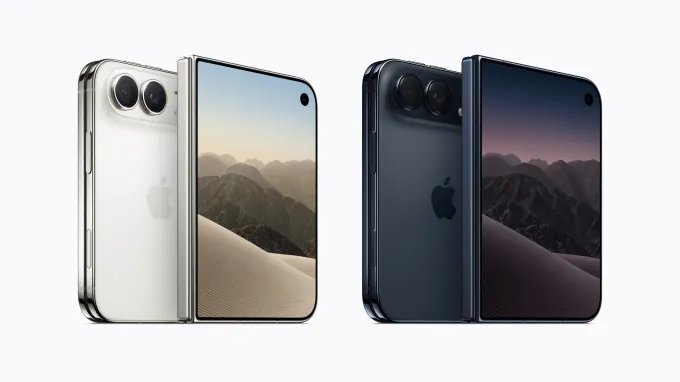
The camera tricks are more specialized, but some Duo owners have found the following useful.
- Customize camera controls: The iPhone Duo lets you customize the on-screen layout of camera controls in the Camera app itself, as part of the latest iOS software update. To use this feature, you have to open the Camera app and open the six-dot camera controls menu at the bottom right. You can then tap the plus sign at the top of the list (or to the right or left depending on how you’re holding the phone!). This lets you pick and choose which camera widgets appear on top of the camera frame itself for quick access, such as the flash, the option to enable or disable Live Photos, or whether Night Mode is toggled on or off, among other things. You can then drag these options to create the arrangement that works best for you. (Note: This feature is not exclusive to Duo.)
- Disable Smart Take Flash feature: The Smart Take feature on the iPhone Duo is designed to help you take hands-free group or individual shots without having to use a self-timer. Alternatively, you can prop the Duo up on a stable surface and activate Smart Take by pressing the button. The camera will detect movement or a change in positions, people are ready, and then take the photo. But one thing that not everyone likes is that every time the photo is taken, the camera flash flashes. This is supposed to act as a visual clue that lets you know that the shot was taken. However, you can control how the flash behaves during these auto capture sessions by configuring the setting. To do this, you will go to Settings > Camera > Flash during capture Toggle the switch to the off position if you prefer.
When you buy through links in our articles, we may earn a small commission. This does not affect our editorial independence.
