A single dumpster fire in front of a federal building can turn a political message into a public safety emergency in minutes.
At a glance
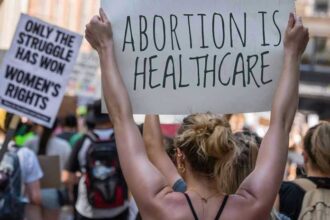
- Thousands of people marched through downtown Los Angeles during the nationwide “ICE Out Everywhere” actions on January 30, 2026, with most participants remaining peaceful.
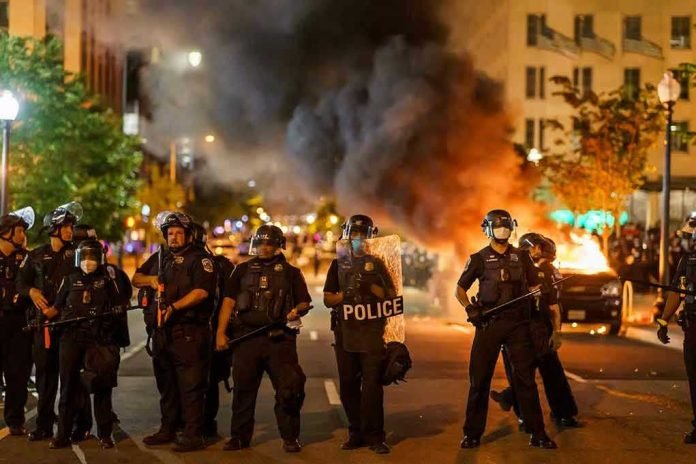
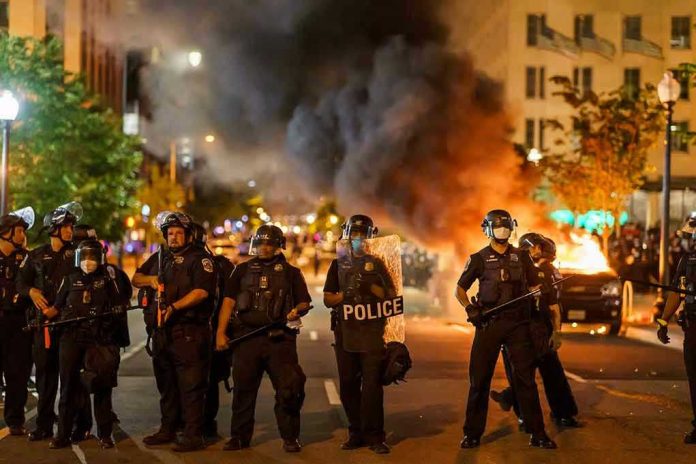
- LAPD and federal agents reported that a smaller group threw bottles, rocks and metal objects, including with a slingshot, triggering dispersal orders and less lethal responses.
- A construction dumpster was pushed to block a loading dock, spray-painted with anti-ICE slogans, then set on fire after much of the crowd left.
- Officials and elected leaders share the message: protect the right to protest, but stop violence before it invites escalation.
How a downtown march reached the threshold of the detention center
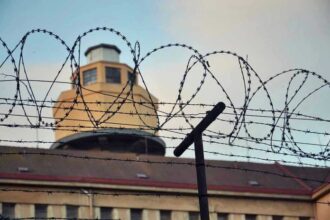
Los Angeles saw a familiar civic scene to start the day: large crowds, signs, chants and a route that had symbolic meaning. Protesters gathered near City Hall, marched through downtown streets and headed toward the Edward R. Roybal Federal Building and the Metropolitan Detention Center. This destination matters. It concentrates federal authority, immigration controls and detention operations in one location, making it a magnet for both lawful protests and calculated confrontations.
Police accounts and local media coverage agree on the inflection point: The atmosphere changed after protesters reached the federal complex and the evening grew tense. Around 5:45 p.m., the LAPD issued a dispersal order along Alameda Street as objects allegedly began flying toward federal agents. A tactical alert followed, signaling that the city was expecting more than routine crowd control. When leaders declare this type of alert, it usually reflects concern about spread, not just to a single hot spot.
Tactical escalation: slings, projectiles and less lethal responses
Reports describe a subset of participants as “violent agitators,” a label police use when they believe a small group is hijacking a larger event. The allegations were specific: bottles, rocks and metal objects thrown at LAPD officers and federal agents, including metal thrown from a slingshot. Authorities responded with dispersal orders and less-lethal tools such as pepper balls, tear gas and other munitions designed to repel people without guns.
The total number of arrests remained extremely unclear in the immediate aftermath. Mayor Karen Bass publicly cited five arrests for failure to disperse, while police statements described “several” or “multiple” arrests related to violence and non-compliance. This gap is important because precision builds trust: A crowd of protesters hears “agitators,” while a business owner hears “riot” and both sides seek precise numbers. Conservative common sense says that officials must be clear to the public when force enters the picture.
The dumpster as a weapon, barrier and propaganda
The most visually defining act was not a slogan; it was the logistics. A construction dumpster was pushed to block the loading dock area of the federal facility, then vandalized with anti-ICE graffiti. This tactic turns infrastructure into leverage. Blocking access puts pressure on operations, imposes a security response and creates a scene of confrontation. It also endangers everyone nearby, including protesters who did not touch the dumpster but are now next to potential danger.
After 10 p.m., the story took an even darker turn. Most of the crowd dispersed, but a smaller group reportedly returned and set the dumpster on fire. Firefighters faced delays when people blocked response efforts, and federal agents eventually put out the fire. This detail is important because it crosses the line between protest and endangering life and property. A burning obstruction in a federal building is not “speech”; It’s an emergency.
Why Minneapolis Became Los Angeles: The Spark Behind ‘ICE Out Everywhere’
These protests did not come out of nowhere. Media coverage linked the nationwide wave of protests to two deadly incidents in Minneapolis involving federal agents in early January. These deaths became the emotional driving force behind the “National Shutdown” and “ICE Out Everywhere” messages, drawing local anger into a national framework. Movements often travel based on narrative, not geography; the hot spot of one city becomes in a few days the rallying cry of another city.
The harsh reality is that national outrage can coexist with local consequences. Downtown corridors, businesses, commuters and residents foot the bill for tactical alerts, street closures and cleanup. Police officers and officers suffer real injuries when objects fly, and families in immigrant communities experience increased fear when protests end with arrests and chemical agents. A system that cannot separate peaceful speech from violent disruption ends up punishing bystanders first.
Executive split-screen: constitutional rights versus escalation trap
Mayor Bass called for peaceful protest while warning that violence could give “this administration” a pretext to escalate, even raising the specter of military involvement. Rep. Maxine Waters appeared at the scene and chanted “ICE out of LA,” defending the rights of protesters as police fired tear gas. This split screen defines modern street politics: leaders support the cause, condemn the chaos, then argue over who provoked whom when the batons and gas appear.
American conservative values begin with a fundamental compromise: The First Amendment protects protests, but it does not excuse assaults, arsons, or blocking emergency services. When a crowd tolerates a handful of people throwing metal or lighting fires, the crowd becomes the camouflage. The quickest way to keep protests legal is social repression within the movement itself: organizers and participants identify and isolate people who show up for reasons of violence, not persuasion.
Anti-ICE Rioters Clash with Federal Agents and Local Police, Set Dumpster Ablaze Outside Los Angeles ICE Facility (VIDEOS) https://t.co/P9PVPVpHgn #gatewaypundit via @gatewaypundit
— BigQYoda (@BigQYoda1) January 31, 2026
Los Angeles is now grappling with a predictable hangover: investigations, contested narratives and audiences trying to decide what they just watched. The open question is whether civic leaders and law enforcement can restore a boundary that was once obvious: Protest stops where attack begins. If this boundary remains blurred, the next march will not need a new issue to ignite. All it will take is one more dumpster and the first game.
Sources:
Violent agitators arrested during chaotic anti-ICE rally in Los Angeles (police)
LAPD arrests violent agitators as protests erupt outside Los Angeles federal detention center
National Shutdown: Los Angeles Walkout, Day of Action, Anti-ICE Immigration Protests
ICE Out protests in Los Angeles
Live Updates: Protesters clash with police during ICE demonstration in downtown Los Angeles
Photos: Anti-ICE protest intensifies on National Shut Down Day
Source link