An unprecedented clash over immigration enforcement is reshaping the political landscape, leaving Americans to ponder the future of federal authority and local resistance.
Story Overview
- Progressive protests against ICE intensify during Trump’s second term.
- Violent clashes, including shootings, fuel public debate.
- Midterm elections see “abolition of ICE” as central issue.
- Political divisions are widening within the Democratic Party.
Escalation of protests and political responses
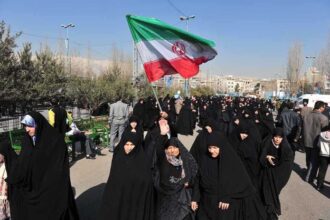
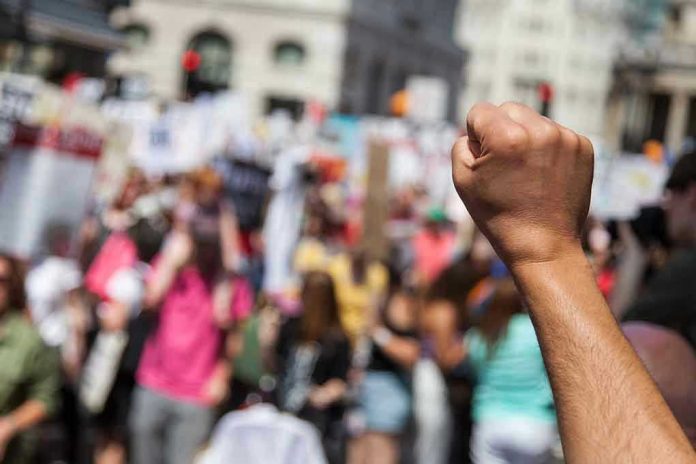
Nationwide protests have erupted in response to the Trump administration’s intensified immigration enforcement, marked by large-scale ICE raids. The protests, often described as a “new tactic” by the left, feature direct actions, including physical blockades of federal buildings and public demonstrations. These events attracted national attention and sparked debates about the role and scope of ICE, with some political leaders calling for its abolition or significant restructuring.
The Left Unveils New Tactic to Stop ICE | Wake up America https://t.co/Twf2PyWi97 via @YouTube
– Joe Honest Truth (@JoeHonestTruth) January 20, 2026
Protests reached a boiling point in Minneapolis, where an ICE agent fatally shot a woman, sparking widespread outrage and new demonstrations. The incident has intensified calls for accountability and reform, with progressive groups leading the charge. These groups, as well as some Democratic candidates, argue that ICE’s actions represent an overreach of federal power, prompting a reevaluation of immigration policies at the national level.
Political implications and midterm elections
The resurgence of the “abolish ICE” movement has become a defining issue in the 2026 midterm elections. Progressive candidates are using the platform to galvanize support from their base, while moderate Democrats are expressing concern about potential electoral fallout. The political divide highlights the ongoing struggle within the Democratic Party, as leaders balance calls for reform with the need to appeal to a broader electorate.
Republicans, meanwhile, took advantage of the protests to portray Democrats as radical and disconnected from mainstream American values. This narrative shapes campaign strategies and could influence voter turnout and party dynamics in key elections across the country.
Impact on communities and federal responses
Communities directly impacted by ICE operations and subsequent protests are experiencing significant social and economic disruption. Businesses located in areas with intense protests, such as Los Angeles and Minneapolis, are facing challenges due to increased tensions and public safety concerns. The federal government’s response, including the deployment of National Guard troops, underscores the seriousness with which authorities view the situation.
As the country grapples with these complex issues, the debate over immigration enforcement continues to evolve. The outcome of the midterm elections and subsequent policy decisions will play a crucial role in shaping the future of immigration enforcement in the United States. Stakeholders on all sides remain vigilant, knowing that decisions made today will have lasting impacts on communities and the country’s political landscape.
Sources:
ICE places itself at the center of midterm campaigns
Source link