Starting February 1, 2026, TSA will charge non-compliant air travelers $45 for a chance to board, but clearance isn’t guaranteed: What happens if you pay and still get denied?
Story Overview
- TSA is launching the ConfirmID program with a $45 fee for travelers without a REAL ID-compliant ID, starting February 1, 2026.
- The fee covers a 10-day travel window but offers no guaranteed security clearance despite payment.
- The REAL ID Act, born out of the security needs of 9/11, mandates compliant IDs like star-studded driver’s licenses or passports for domestic flights.
- TSA shifts taxpayer costs to noncompliant travelers, pressuring upgrades before the deadline.
- Vulnerable groups face barriers, raising questions of equity in access to air transport.
ConfirmID Program Launches with $45 Fee
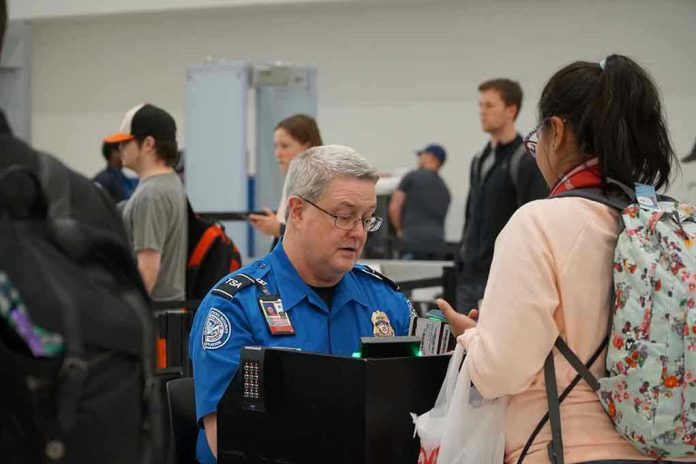
TSA introduced the ConfirmID program in December 2025 to handle travelers without REAL ID-compliant IDs. The program requires a payment of $45 for identity verification services at airports. This fee applies from February 1, 2026 and replaces free additional screening. Travelers pay per 10-day window, covering outbound and return trips if taken during that time. Adam Stahl, a senior TSA official serving as deputy administrator, explained that the fees shift costs from taxpayers to those who fail to comply.
Non-compliant IDs include standard driver’s licenses marked “Not for Federal Purposes” lacking the required star or flag icon. Compliant options feature a black or gold star, an American flag, or include enhanced passports and driver’s licenses. The TSA warns that ConfirmID’s success remains uncertain, even after payment. Travelers risk delays or missed flights without preparation.
The REAL ID law dates back to 2005 security mandates
Congress passed the REAL ID Act in 2005 after the September 11 attacks to standardize state-issued IDs for federal purposes. The law sets minimum security standards for driver’s licenses and identification documents. Federal agencies, including the TSA, reject non-compliant documents. The full application for domestic air travel took effect on May 7, 2025, requiring passengers 18 and older to present a compliant form of identification.
From May 2025 to January 2026, TSA allowed non-compliant travelers with additional screening. This grace period ends on February 1, 2026, paving the way for the ConfirmID paid option. State motor vehicle agencies are issuing REAL IDs, often with increased demand as deadlines approach. Erie County Clerk Michael Kearns urged residents to upgrade sooner to avoid fees and delays.
Stakeholders navigate application change
The TSA enforces the policy, generating revenue to cover screening costs. Airlines manage passenger flows despite possible bottlenecks. State departments process REAL ID applications, while local officials promote compliance. Domestic travelers, especially families and low-income groups, experience direct impacts. Stahl’s statements frame the fees as equitable cost recovery, aligning with conservative principles of personal responsibility for taxpayer burdens.
The facts confirm Stahl’s point of view: non-compliance imposes real control costs on the system. Common sense dictates that individuals should cover their choices, not the public. Equity issues arise for elderly or rural travelers with limited access to the DMV, but proactive planning resolves most issues at no cost.
Impacts affect travelers and operations
In the short term, airports face longer lines as TSA verifies identities under ConfirmID. Travelers incur an unexpected fee of $45, multiplied for families. In the long run, the fee encourages REAL ID adoption, thereby increasing compliance. Economic strain targets non-compliant people, while TSA offsets expenses. Broader effects could inspire similar charges at rail or federal facilities.
Social debates question whether fees constitute barriers to travel for disadvantaged people. The government encourages early upgrades, with an emphasis on autonomy. With two weeks left until mid-January 2026, the urgency increases. Secure a compliant ID now (passports work too) or prepare for the uncertainty paid at checkpoints.
Sources:
Erie County Clerk: TSA to impose $45 Real ID verification fee starting February 1, 2026
Fox Business: No REAL ID? TSA to charge travelers $45 at airports starting in February
ABC News 4: TSA tightens REAL ID rules; $45 fee hits those unprepared for February deadline
Source link