
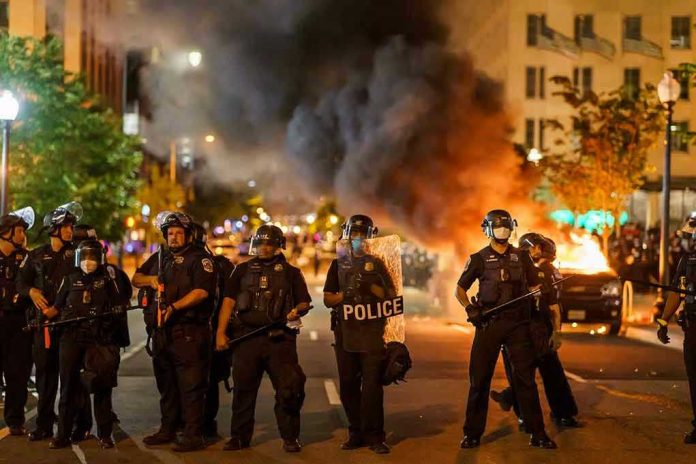
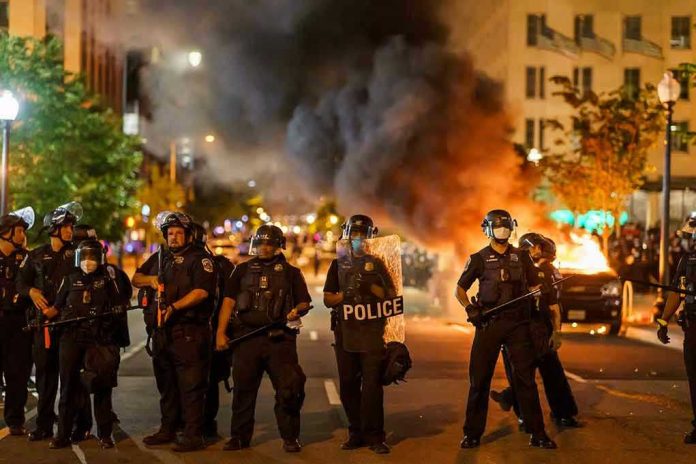
The explosion of a single bus outside a police station may seem like a tragic, isolated event, until you realize it was one note in a chorus of carefully timed attacks intended to shake an entire region.
Quick take
- More than 20 coordinated bombings and armed attacks struck southwest Colombia on June 10, 2025, killing at least seven people and injuring dozens.
- The bus explosion in Villa Rica and explosions in Cali and nearby towns highlighted a campaign focused on targeting police, with civilians caught on the sidelines.
- Authorities attributed the wave to Estado Mayor Central (EMC), a FARC dissident network, without the group claiming direct responsibility.
- The attacks took place days after the attempted assassination of presidential candidate Miguel Uribe Turbay, raising political temperatures across the country.
June 10 in southwest Colombia: a day designed for maximum shock
Southwest Colombia woke up on June 10, 2025, to a pattern that security analysts instantly recognize: multiple strikes, multiple methods, multiple municipalities, all close enough in time to overwhelm responses and grab headlines. Reports described explosions in Cali and towns in Cauca and Valle del Cauca, with car bombs, motorcycle bombs, gunfire and even mentions of possible drone involvement. At least seven people died, including police officers, and dozens were injured.
The bus explosion in Villa Rica had dark symbolism because it occurred in front of a police station. This placement is important. This demonstrates the intent to publicly punish law enforcement, impose a rapid security crackdown, and create the impression that the state cannot even protect its own facilities. When attacks are concentrated around police stations and municipal buildings, perpetrators typically seek two outcomes at once: operational disruption and psychological domination over communities who must decide, on a daily basis, who actually controls the streets.
Why police stations have become the target
Target selection tells you more than slogans. Police strikes on sites offer dissident armed groups a relatively “clean” narrative about their base – attacking the state and not random civilians – while accepting that bystanders will suffer. This moral evasion collapses under common sense: bombs near police stations continue to destroy ordinary lives, and warnings after the fact do not cancel funerals. From a security perspective, hitting local police also degrades intelligence networks, slows arrests and creates space for extortion economies.
The reported coordination in Cali and smaller towns also hints at a strategy Colombia knows all too well: fragmenting security services by forcing them to guard everything at once. When police scramble to protect police stations, city halls and main roads, investigators waste time tracking down bomb makers, financial trails and command connections. This compromise is exactly what an organization wants when it needs to influence, whether to gain territorial leeway, negotiating power, or simply to demonstrate that it can still strike at will.
EMC, the FARC dissident ecosystem and the reality after the 2016 agreement
Many Americans remember “FARC” as a unique brand. Colombia today operates in a more complicated reality: the 2016 peace agreement demobilized much of the old guerrilla structure, but dissident factions remained armed and quickly adapted to criminal revenues. The Estado Mayor Central (EMC) is part of this dissident ecosystem, rooted in areas where cocaine trafficking, illegal mining and extortion can finance war. Authorities attributed the June 10 wave to EMC, although the group has not openly claimed responsibility.
The EMC messages reportedly criticized the failures of the government’s peace process and warned civilians to avoid police sites. This posture resembles a pressure tactic: intimidating the public, pressuring local authorities and presenting the violence as the fault of the state for not having conceded enough. Conservative values tend to go beyond this framework. Governments exist to protect families, commerce, and civil order. Armed groups attempting to negotiate with explosives are not “stakeholders”; they are coercive actors who seek immunity, money and control.
The political fuse: the attacks after the shooting of Uribe Turbay
This violence also occurred in the shadow of a national political shock: the attempted assassination of presidential candidate Miguel Uribe Turbay a few days earlier in Bogota. Even without proven operational links, timing shapes perception. Colombian voters have seen this movie before: waves of terrorism have served to influence political choices, weaken trust in institutions and make people believe that no public figure is truly safe. When a country feels politically hounded and physically attacked in the same week, compromise becomes more difficult and tough instincts become stronger.
Local leaders acted quickly to report the check. The mayor of Cali said the situation was under control after the deployment of security resources, while regional officials called for action at the national level. National police described more than 20 attacks and said the military prevented other planned strikes, capturing suspects accused of preparing explosives. These details are important because they show that state capacity still exists. The open question is sustainability: can authorities suppress networks that mix guerrilla tactics with criminal logistics and urban gathering points?
The biggest warning: urban coordination, economic hubs and fear of investors
Cali is not a remote outpost; it is a major economic hub. The coordinated violence there sends a message to businesses, transport operators and international investors: the risk has moved closer to the center. Analysts described the offensive as well-coordinated, highlighting a worrying capability: urban operations carried out with enough discipline to strike repeatedly. This increases the strategic cost for the government. Negotiations seem naive if violence escalates; repression seems brutal if civilians pay the price. Either way, stability is put to the test.
Colombia bears the historical scars of bus bombings and terrorist campaigns that marked previous decades. Comparisons with the late 1980s and 1990s persist because the emotional logic is similar: ordinary people dread commuting, parents fear routine shopping, and trust in public space is declining. The practical conclusion of conservatives is not cynicism; it’s clarity. A state that tolerates armed groups “taxing” communities through fear loses its sovereignty neighborhood by neighborhood, then wonders why peace talks fail.
Explosive device on bus kills 7 in southwest Colombia as violent attacks persist https://t.co/YgWfXzrM5F pic.twitter.com/kH9R5Dvqxd
– WOKV News (@WOKVNews) April 25, 2026
The most telling detail is that EMC would not have claimed responsibility, even if the authorities had pointed the finger at it. This ambiguity is often strategic: it reduces immediate negative reactions, blurs actionable narratives, and keeps the doors open to the negotiation theater. Colombia now faces the harsh test that any democracy faces with politically stigmatized violence: refusing to reward intimidation, protecting citizens first, and rebuilding deterrence without descending into indiscriminate force. The next moves will decide whether June 10 becomes an inflection point or a preview.
Sources:
Several explosions reported in the Colombian city of Cali
Police report 16 bomb and gun attacks in southwest Colombia, three dead
Source link