Australia’s fuel pumps dried up overnight, revealing how decades of policy choices have left a nation dependent on foreign oil at the mercy of a single strait.
Story Overview
- Iran’s blockade of the Strait of Hormuz has cut global oil shipping by 20%, triggering panic buying that has emptied hundreds of Australian stations.
- The government released 762 million liters of reserves that contained only 26-29 days of supply, while significantly reducing fuel standards for 60 days.
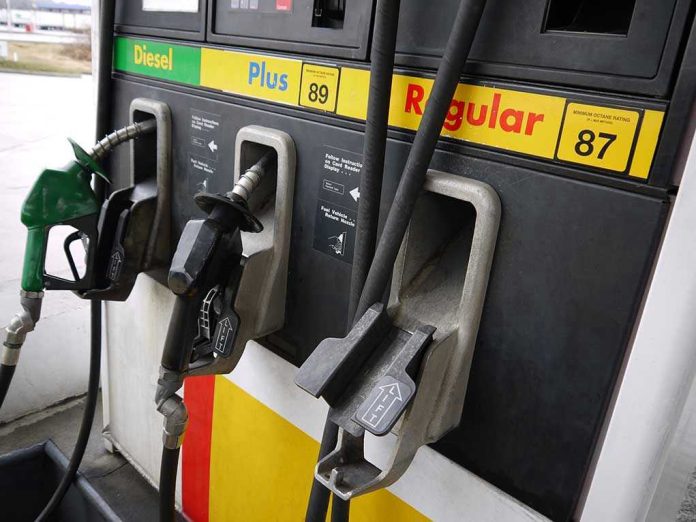
- Regional areas and New South Wales have been hit hardest, with 107 diesel fuel stations running dry and prices rising by 50 cents a litre.
- The opposition denounces Labour’s refinery closures – by 8 to 2 – as a failure of energy security in a context of threat of 200 dollars per barrel of oil.
Hormuz blockade triggers Australian fuel panic
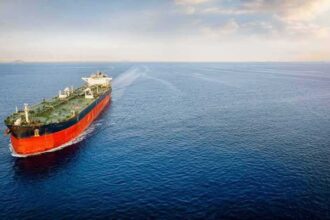
Iran blocked the Strait of Hormuz on February 28, 2026, after the escalation of the Middle East conflict. Iranian forces struck three oil tankers overnight, with leader Mojtaba Khamenei promising a lasting shutdown. This choke point handles 20% of oil transported by sea, delaying Australian imports from Singapore, South Korea, Malaysia and Taiwan. Panic buying increased in early March, initially emptying stations in regional areas. At least 107 sites in NSW have run out of diesel as demand has outstripped arrivals.
Government releases reserves in national crisis declaration
Australia declared a national fuel crisis in mid-March 2026. Energy Minister Chris Bowen released 20% of reserves, or up to 762 million litres. It lowered fuel quality standards for 60 days, adding 100 million liters per month via high-sulfur imports. Bowen warned against hoarding, saying imports would come under pressure if the conflict drags on. Urban supplies are holding up, but regional shortages persist. Reserves are 26 days of diesel, 29 to 36 days of gasoline and 29 to 32 days of jet fuel.
Refinery closures leave 90% dependence on imports
Australia has closed its refineries from eight to two: Viva Energy in Geelong, Victoria, and Ampol Lytton in Brisbane, Queensland. The depletion of domestic oil has forced the country to rely 90% on imports. After the 2022 Ukraine war, minimum stock requirements slowed the decline in reserves but failed to recover from the 310-day high reached in 2002. Experts like former BP Chairman Greg Bourne warn that rationing will be imminent within 30 days if the blockade continues. This crisis dwarfs previous disruptions.
Opposition and experts denounce political failures
Opposition leader Angus Taylor accused Labor of mismanagement fueling inflation. One Nation MP Barnaby Joyce demands refinery revival, attacking climate policies. Bourne highlights the limits of physical response. Dr Lurion De Mello of Macquarie University details the low supplies: 36 days of petrol, 32 days of diesel, 29 days of jet. The government claims that the reserves are now sufficient, but the facts agree with the criticism: common sense demands autonomy in the face of green dreams.
“Hundreds of petrol stations run dry in Australia as Hormuz shock exposes energy security gaps”https://t.co/rl9w5CBcVX
– John Mangun (@mangunonmarkets) March 24, 2026
Shortages hit rural communities hardest
Rural and small-town distributors were the first to suffer, while independent suppliers struggled. Transportation, aviation and agriculture are facing shortages of diesel and jet fuel. Prices jumped nearly 50 cents per liter in cities in mid-March, worsening cost-of-living problems. The head of the IEA calls it a global economic threat. Short-term rationing risks generating inequalities; In the long term, pressure is mounting to replenish reserves and restart refineries. Oil is approaching $200 a barrel.
Sources:
SBS News: Australia fuel shortage 2026
Argus Media: Petrol stations running out of diesel across Australia’s New South Wales
Macquarie University Lighthouse: Could Australia run out of gas
LCA News: Global economy seriously threatened by Strait of Hormuz crisis – IEA chief
Source link